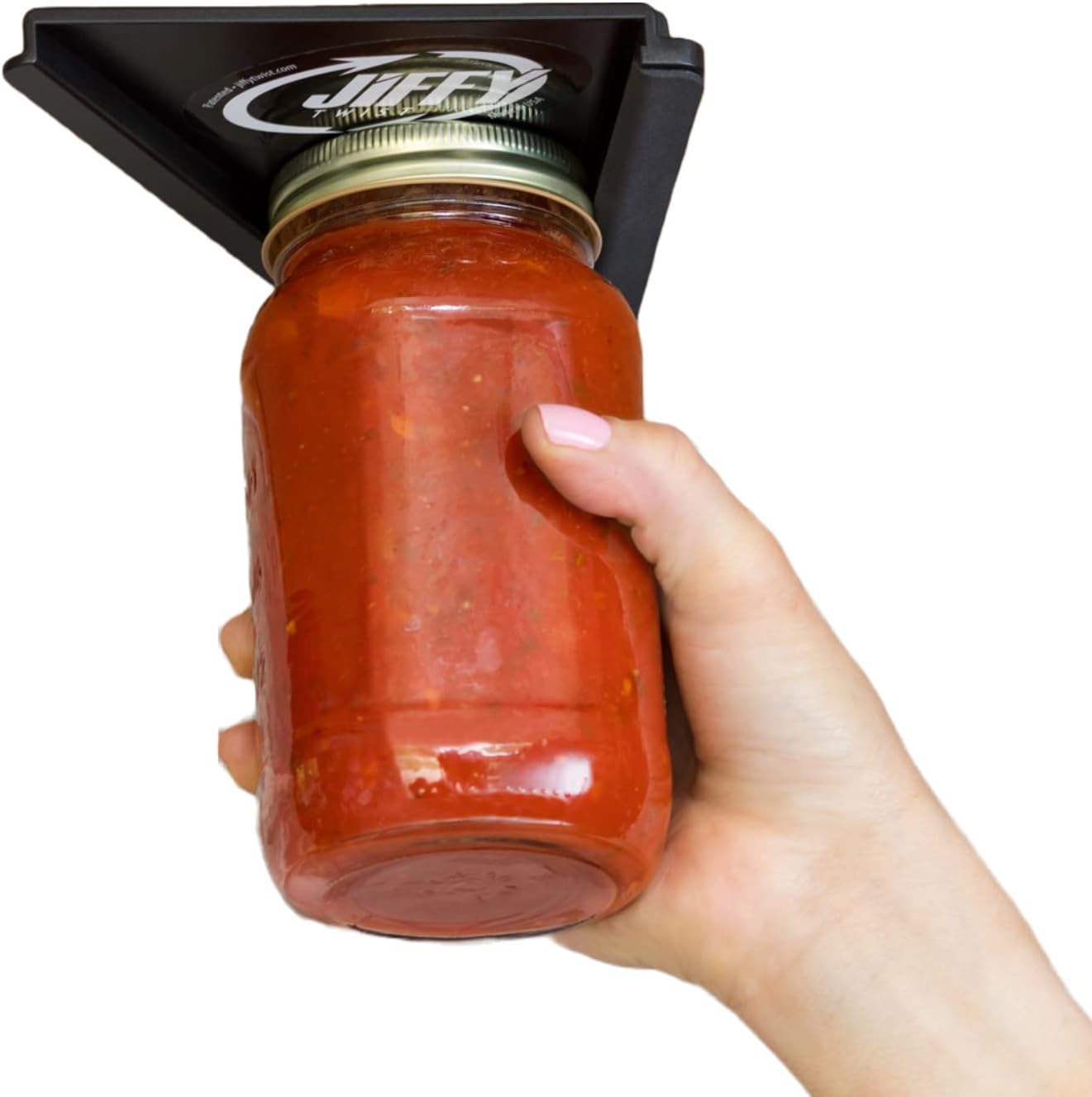
Most kitchen storage products you see on Instagram are decorative. They make the pantry look nice in photos but solve no actual problem and create new ones — they take up space, require specific arrangements, and the second your routine slips, the system falls apart.
The kitchen storage products that actually help are usually plainer, cheaper, and built for use rather than display. Below are categories where a small purchase under $50 makes a meaningful difference in how the kitchen works.
The "where did that go" problem
Every kitchen has the same problem: small items disappear into drawers and cabinets. Measuring cups behind the mixing bowls. The peeler under the cutting boards. The garlic press wherever it last fell.
The fix isn't more space — it's organization that respects how often you reach for each thing. Cheap solutions that work:
Drawer dividers (the adjustable kind). About $20-30 for a set that covers two drawers. Lets you assign zones — measuring cups in one spot, baking tools in another. Sounds obvious, but the reason most people don't do this is that the fixed-size dividers don't fit their actual drawers. Adjustable ones eliminate that excuse.
Tiered shelf risers. A $15 plastic riser doubles the usable space in any cabinet by letting you see the things in the back row. Most people put their cans and jars in unusable piles when a $15 riser would let them all be visible at once.
The fridge organization problem
The fridge is the kitchen storage problem most likely to ruin your week, because failure leads to wasted food. Three small upgrades change this:
Stackable produce bins for the bottom shelf. The drawer at the bottom of the fridge is where vegetables go to be forgotten. Pulling them up to eye level on a stackable bin means you actually use them before they wilt.
Egg holders that turn the egg compartment into something visible. Most fridges either have a covered compartment or none at all. A clear $10 egg holder shows you exactly how many eggs you have left.
Lid organizers for containers. The Tupperware-lid problem affects every household. A simple plastic divider that holds 10-12 lids vertically costs $15 and ends the avalanche permanently.

The pantry problem
Pantries usually start organized and decay. The decay accelerates as you add new things — a bag of flour leans against the cereal, the rice falls behind the canned soup, suddenly you can't find the pasta.
Airtight containers (square ones, not round) stop this decay. Square containers tessellate; round ones waste 30% of the shelf they sit on. A starter set of 6-10 square airtight containers in matching sizes costs $30-40 and makes the pantry actually navigable. Bonus: dry goods last longer in airtight storage.
Pull-out shelves or sliding bins for deep cabinets. The deeper a shelf is, the more storage it can hold and the less usable it is — anything more than 12 inches deep becomes a place where stuff gets lost. A $25 sliding bin lets you actually access the back of a deep shelf.

The countertop problem
The counter is the kitchen real estate you fight over hardest. Every appliance, every cutting board, every spice rack competes for space. Two small purchases reclaim a surprising amount:
Magnetic knife strips. Mount one on the wall and reclaim the entire footprint of your knife block. Costs $20, lasts forever, and your knives stay drier and sharper than they do in a wooden block (which absorbs moisture from washed blades).
Over-the-sink racks. The space directly over the sink is usually empty. A $25-30 expandable rack creates a drying area, a colander station, or a place to keep dish soap and sponges off the counter.
The spice problem
Every spice rack you buy makes you happy for a month and then becomes useless. The reason is that spice racks are designed for the spices you want to have, not the spices you actually use. You stock 30 spices, you use 8 of them, the rest take up the rack and the 8 you actually use are buried.
The fix is dedicated storage for your real top 10 — whatever those are for your cooking — kept within arm's reach. A small magnetic spice rack stuck to the side of the fridge or range hood, holding just your 10 most-used spices, beats any 30-spice rack because you'll actually maintain it.
Where do the other 20 spices go? In the back of a cabinet, in a basic plastic bin, sorted by type. You'll reach for them once a month at most.
What to skip
Kitchen storage is a category where many products promise more than they deliver. Skip:
- Decorative jar sets for staples like sugar and flour. The jars are nicer than the bags, but if they're not airtight, they're worse for the food.
- Lazy susans larger than 12 inches. Past that diameter, you can't actually reach the back without spinning awkwardly. Buy smaller, multiple of them if needed.
- "Pantry organization" sets that come with multiple sizes of containers. You'll use two of them. Buy individual containers in the size you actually need.
The principle
The kitchen storage that earns its space is plain, modular, and addresses how you actually use the space — not how an Instagram photo looks. Almost always, the right purchase is functional, costs under $30, and you only need one of it.
Below are the picks from our catalog that meet these criteria.