The pet products market has a small number of brands you've heard of and a long tail of brands you haven't. The brands you've heard of spend their margin on advertising. The brands you haven't spend it on the product.
This isn't a takedown of mainstream pet brands. Some of them make excellent products. But the pet aisle dynamic means that genuinely good products from smaller makers rarely surface in mainstream reviews — they don't have the marketing budget to push for them. So you have to dig.
Below are eight pet products from our catalog that earn their place. Each one is something a pet owner with options would buy again.
1. Wireless cat barriers that actually work
The traditional approach to keeping cats out of rooms — closed doors, baby gates, spray bottles — has obvious limitations. Cats are bigger than the rooms you can baby-gate, and they ignore deterrents the moment you stop watching.
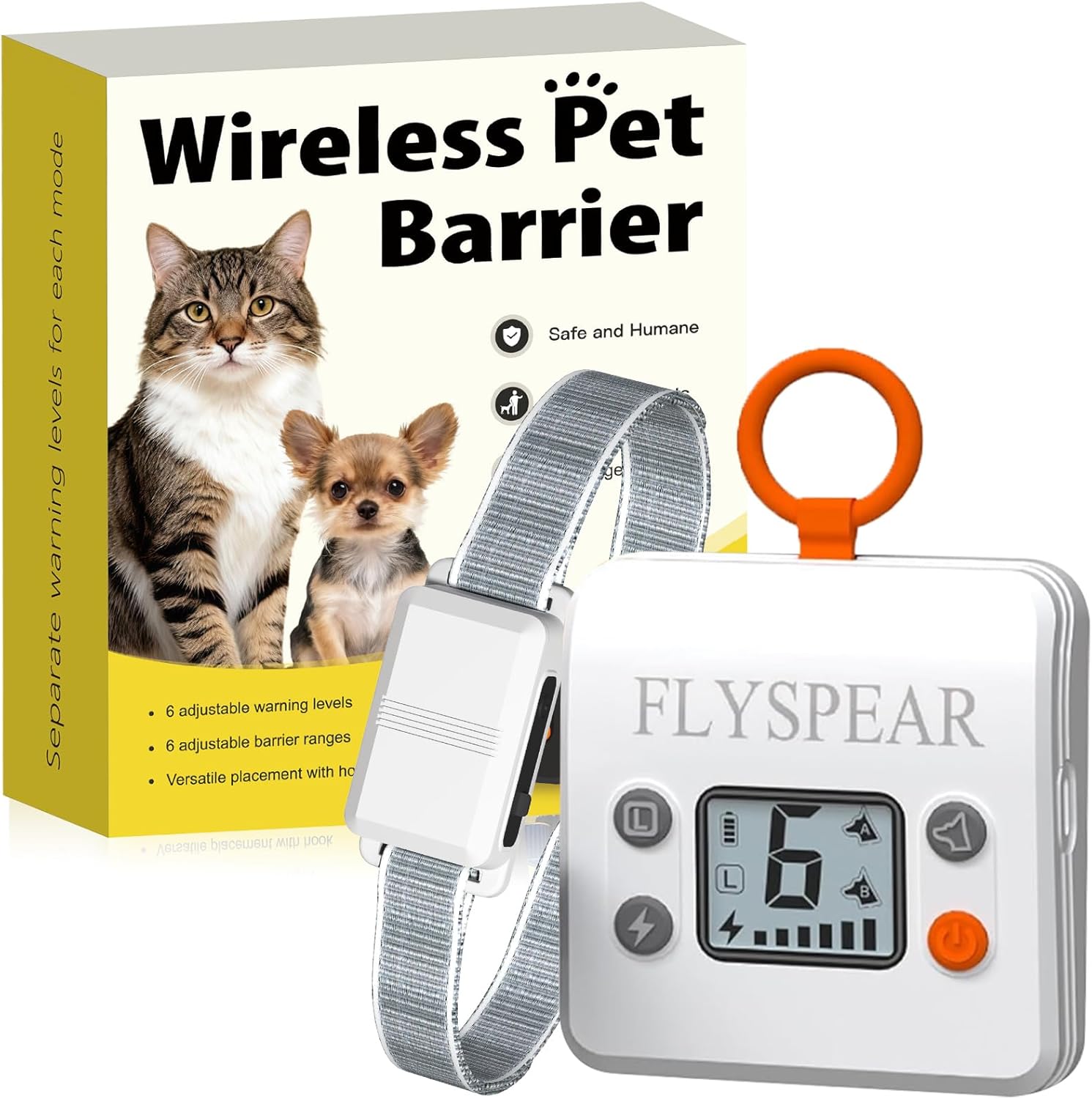
Wireless cat barrier systems use a small base station that emits a signal in a defined area, and a collar that gives the cat a small vibration or sound when they enter the zone. No physical barrier, no electric shock, no constant supervision required. It's not for every cat (some are smart enough to figure it out), but for the ones it works on, it solves the problem permanently.

2. Bulk catnip toys (yes, in bulk)
Cat toys are designed to be cheap because cats will destroy them. A premium $20 catnip mouse will be shredded in exactly the same amount of time as a $2 one. The math suggests buying in bulk.
The trick is finding bulk packs where each individual toy is actually well-made — densely stuffed, securely sewn, with real catnip rather than catnip-scented filler. They exist if you look past the first page of search results.
3. Adjustable indoor cat litter mats
The problem with most litter mats is that they're a compromise: small enough to fit by the box, but small enough that litter still escapes. Larger mats slide around. Mats with raised edges feel like litter boxes themselves and cats avoid them.
The adjustable kind — modular pieces that lock together — let you build the exact size and shape you need for your space. It's a small upgrade with daily payoff.
4. Heavy-duty pet barriers for indoor doorways
Plastic baby gates work for puppies and small dogs for about a month. Then the puppy gets bigger and learns to push, the dog learns to jump, and you're replacing the gate or accepting that it doesn't work.
Heavy-duty steel or aluminum pet barriers cost 2-3x more but actually contain the dog you have. They're harder to set up — most need to be anchored — but they're a one-time purchase rather than a replaceable supply.

5. Funny tumblers for the pet parent (yes, really)
The pet products category includes a surprising amount of merchandise for the human. Tumblers, hoodies, mugs with cat or dog quotes — most of it is poor quality. But the people who care about their pets care about quality, and there's a small market for genuinely well-made pet-themed gear.
Look for double-wall insulation, BPA-free construction, real powder coating rather than printed graphics. Quality here is identical to quality on non-pet tumblers; only the artwork is different.
6. Replacement collars and receivers (the smart purchase)
If you have an electronic pet containment or training system, the replacement collars and receivers are where the company makes its money. The base system is loss-leader priced; the accessories are marked up.
The smart move is to buy the system, then source replacement parts from independent sellers when possible. The receivers are often universal across compatible systems, and quality independent makers exist for most major brands.
7. Aquarium accessories from independent makers
The aquarium hobby has a sharp divide between the chain pet store ecosystem (limited brands, high markup) and the actual hobbyist ecosystem (many independent makers, fair pricing, better quality). This is true for filters, lights, tank backgrounds, decorations, and especially heaters.
If you're keeping fish seriously, the independent makers are almost always the better choice. The chain store stocks what sells in volume; the independent makers stock what experienced hobbyists actually use.
8. Bird and small pet supplies for the long-term keeper
Pet birds, hamsters, gerbils, and rabbits get the same treatment as fish — the chain pet store ecosystem covers basic needs but stops short of what serious keepers want. Independent makers fill that gap with custom cage supplies, heavy-duty water bottles, durable wood toys (the cheap ones disintegrate within weeks), and species-specific feeding equipment.
If you're keeping any small animal for years rather than months, the independent supply ecosystem pays for itself.
The pattern
What unites all eight: smaller makers who optimize for the people who actually use their products, not for shelf appeal at PetSmart. They don't have the marketing budget to be the default recommendation, but if you find them, they tend to be better than what they're competing against.
The picks below are the specific products from our catalog that meet these criteria. None of them is the most popular option in its category. All of them are the better one.